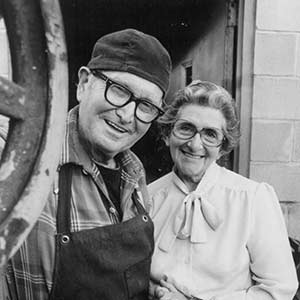
Ignaz "I.G." and Miriam (Golomb) Grossman
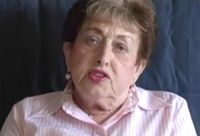
Ignaz "I.G." and Miriam (Golomb) Grossman met and married in the Linz-Bindermichl Deportation Camp (DP) in Austria in 1947. Their only son, Alex, was born there in March 1948 and together the family left for the U.S. in 1949. They arrived in Omaha by train with a few single dollars in their pocket. In Nebraska, I.G. used his mechanical skills to make a living. He used his prisoner number “33072” as an identification number for the rest of his life. Miriam sought to speak out publicly about her experiences and stood up against injustices wherever possible. Hear Miriam Grossman's testimony in her own words.
Miriam was from a family of nine children in the small Polish town of Konin. In her teens, the family moved to the second largest Polish city of Łodz. They were forced into the Jewish ghetto after the outbreak of the war. Renamed Litzmannstadt by the Nazis, the Jewish occupants were amassed in one section of the city behind barbed wire, and many were sent to slave labor in textile factories. Many members of the Golomb family were living together in poor conditions in a small room. Scarce food rations barely sustained them, and Miriam's parents ultimately died of sickness and malnutrition. Miriam worked as a nurse in the ghetto hospital. With the liquidation of the ghetto, Miriam was sent to Auschwitz and later to a sub-camp as a slave laborer in a factory. She was liberated by the Russians. Following months of recovery from illness, Miriam went to the DP in Austria .
I.G was from a small town in the Tatra Mountains then in northern Czechoslovakia. He had seven siblings and an extended family in his town. A trained mechanic, he and his brother ran a successful machine shop prior to Nazi occupation of Czech provinces. I.G. joined the Czech army, which was soon defeated, and he and his fellow soldiers were taken prisoner to Auschwitz. When his skills as a machinist were discovered, I.G. was transferred to Gusen-Zwei, a sub-camp of Mauthausen in Austria. In defiance of an order to melt down stolen gold for the Nazis, I.G. secretly hid small bits of gold as a memory to those who were murdered. Surviving a failed Nazi tunnel explosion, I.G. was liberated by the Russians in May 1945.
-
Who will be able to heal our hurt?
- Date
- November 20, 1996
-
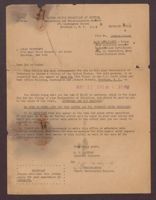
Department of Justice Immigration and Naturalization Ignac Grossman's Summons to Appear
- Date
- September 28, 1944
-

Searching for Humanity
- Date
- January 11, 2017
-
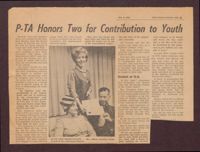
P-TA Honors Two for Contribution to Youth, February 8, 1968
- Date
- February 8, 1968
-
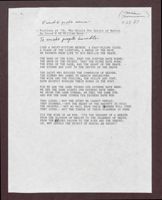
Portion of "Oh, Why Should The Spirit of Mortal Be Proud," April 24, 1987
-
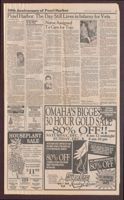
Miriam Grossman (from The Day Still Lives in Infamy), December 7, 1991
- Date
- December 7, 1991
-
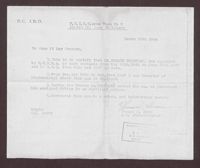
Certification of Employment for Ignaz Grossman
- Date
- March 10, 1948
-
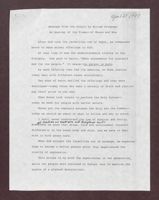
Message from the Pulpit: An Analogy of the Times – of Moses and Now, April 24, 1987
-
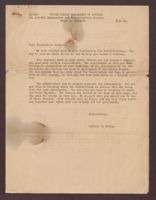
Citizenship Case Notification, Omaha, Nebraska
-
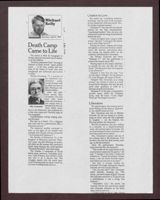
Death Camp Came to Life, Saturday, April 9, 1994
- Date
- April 9, 1994
-
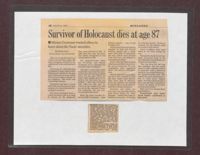
Survivor of Holocaust dies at age 87, August 24, 2003
- Date
- August 24, 2003
-
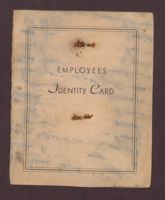
Ignac Grossman Employee Identity Card
- Date
- November 19, 1947
-
Flicker of Hope (Part II)
- Date
- December 31, 2008
-
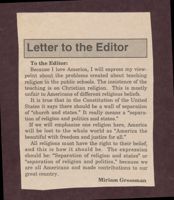
Letter to the Editor
-
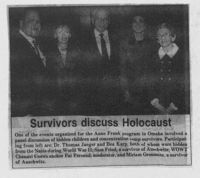
Survivors discuss Holocaust
-
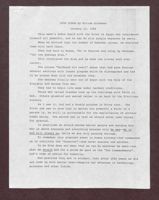
Dvar Torah, January 22, 1988
-
Report on the Holocaust from Miriam Grossman's Papers
-
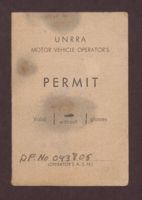
Ignaz Grossman's UNRRA Motor Vehicle Operator's Permit
- Date
- March 13, 1947
-
Flicker of Hope (Part I)
- Date
- December 31, 2008
-
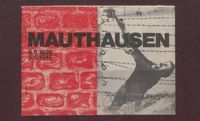
Mauthausen 8.8.1938 5.5.1945
- Date
- May 2, 1991
-
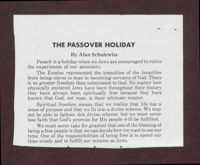
The Passover Holiday
-
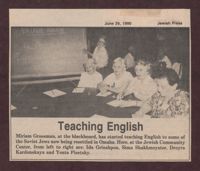
Miriam Grossman Teaching English
- Date
- June 29, 1990
-
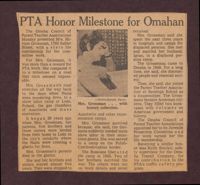
PTA Honor Milestone for Omahan
-
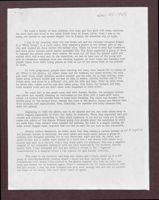
Miriam Grossman Testimony, December 20, 1988
- Date
- December 20, 1988
-
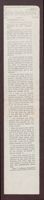
Miriam Grossman Letter to the Editor
-
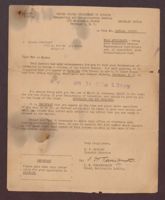
Department of Justice Immigration and Naturalization Miriam Grossman's Summons to Appear
- Date
- September 28, 1944
-
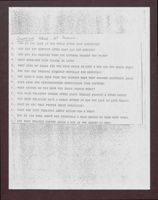
Questions about the Holocaust with Answers from Miriam Grossman
-
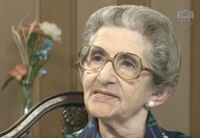
Miriam Grossman Shoah Foundation Testimony
- Date
- November 21, 1995